Skip to content
Saw Guide Lab
  • Circular Saw
  • Drywall Saw
  • About Me
Saw Guide Lab
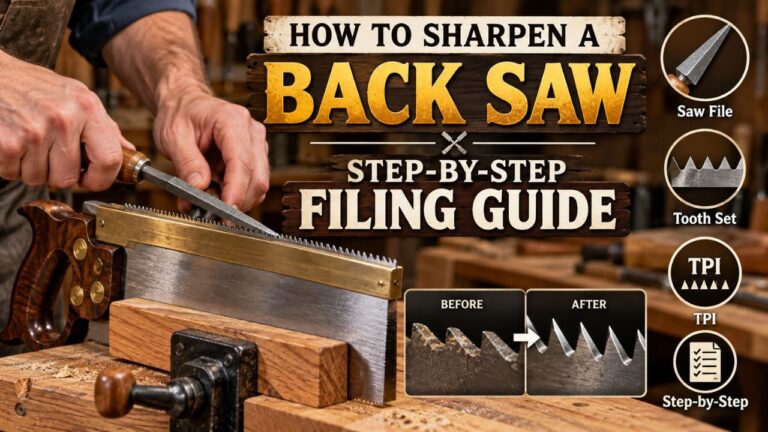
  • How to Sharpen a Back Saw: Step-by-Step Filing Guide
    Drywall Saw

    How to Sharpen a Back Saw: Step-by-Step Filing Guide

    ByDaniel Carter — Saw & Cutting Tools Expert October 19, 2026

    If you want to know how to sharpen a back saw, first determine whether its teeth are designed to be resharpened, then secure the blade in a saw vise, lightly joint uneven teeth if necessary, maintain the existing rake and fleam angles with the correct triangular saw file, and file each tooth until it is…
    Read More How to Sharpen a Back Saw: Step-by-Step Filing GuideContinue

  • How to Straighten a Back Saw: Fix Bent Blades and Backs Safely
    Drywall Saw

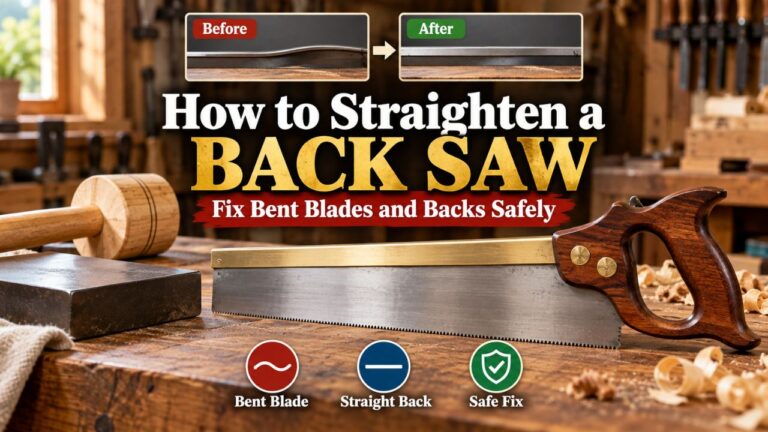
    How to Straighten a Back Saw: Fix Bent Blades and Backs Safely

    ByDaniel Carter — Saw & Cutting Tools Expert October 19, 2026

    If you want to know how to straighten a back saw, first determine whether the problem is a flexible bend in the saw plate, a permanent kink, or a misaligned metal back. Minor alignment problems can sometimes be corrected by carefully repositioning the back and gently flexing the blade, but a sharply kinked, cracked, or…

    Read More How to Straighten a Back Saw: Fix Bent Blades and Backs SafelyContinue

  • How to Measure a Back Saw: Blade Length, Depth, TPI & More
    Drywall Saw

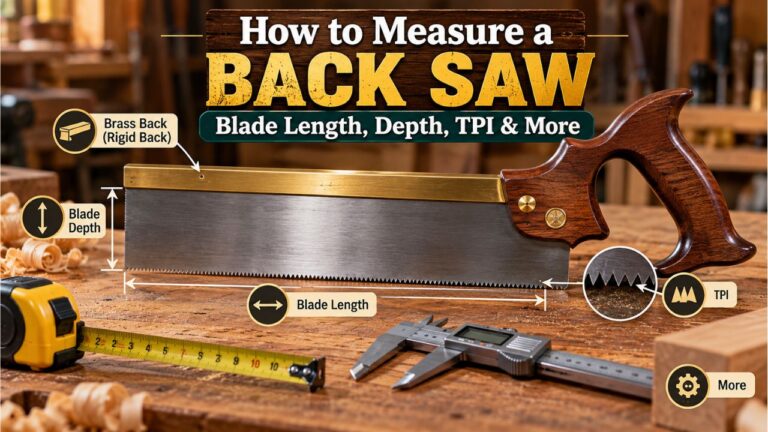
    How to Measure a Back Saw: Blade Length, Depth, TPI & More

    ByDaniel Carter — Saw & Cutting Tools Expert October 19, 2026

    To learn how to measure a back saw correctly, measure the blade length along the tooth line from the heel near the handle to the toe, then measure the usable blade depth from the tooth tips to the bottom of the rigid back. You can also measure the saw’s overall length, plate thickness, tooth count,…

    Read More How to Measure a Back Saw: Blade Length, Depth, TPI & MoreContinue

  • How to Use a Back Saw on Thick Large Boards: Complete Guide
    Drywall Saw

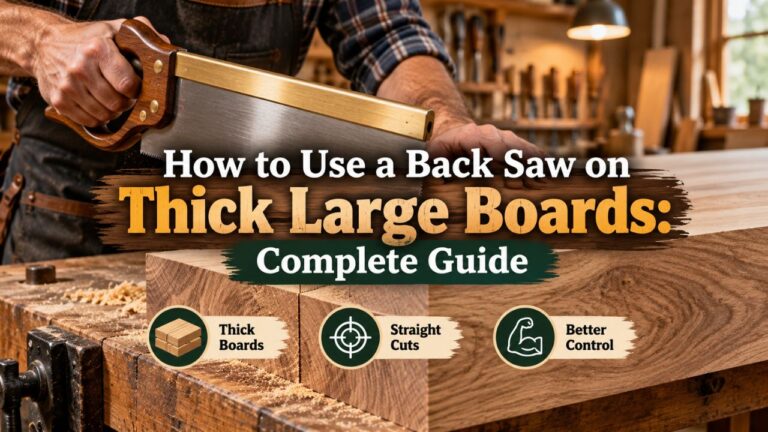
    How to Use a Back Saw on Thick Large Boards: Complete Guide

    ByDaniel Carter — Saw & Cutting Tools Expert October 19, 2026

    If you want to know how to use a back saw on thick large boards, first check whether the board is actually within the saw’s cutting depth. A backsaw can crosscut a wide board accurately, but its rigid spine limits how deeply the blade can penetrate thick stock. When the board is thicker than the…

    Read More How to Use a Back Saw on Thick Large Boards: Complete GuideContinue

  • What Table Saw Blade Is Best for Cutting Tenons? Full Guide
    Drywall Saw

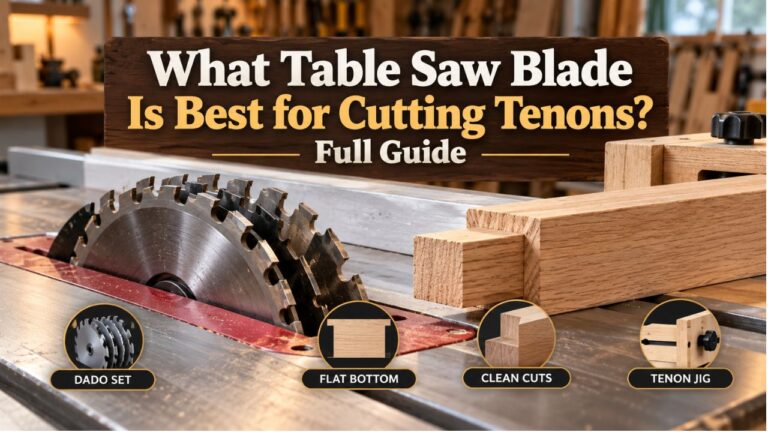
    What Table Saw Blade Is Best for Cutting Tenons? Full Guide

    ByDaniel Carter — Saw & Cutting Tools Expert October 18, 2026

    If you are wondering what table saw blade is best for cutting tenons, a sharp 24- to 30-tooth flat-top-grind (FTG) rip blade is usually the best dedicated blade for cutting tenon cheeks vertically with a tenoning jig. A full-kerf blade is especially useful when your table saw has enough power because its stiffer plate can…

    Read More What Table Saw Blade Is Best for Cutting Tenons? Full GuideContinue

  • What Saw to Use for Cutting Tenons in Long Stock? Best Choices
    Drywall Saw

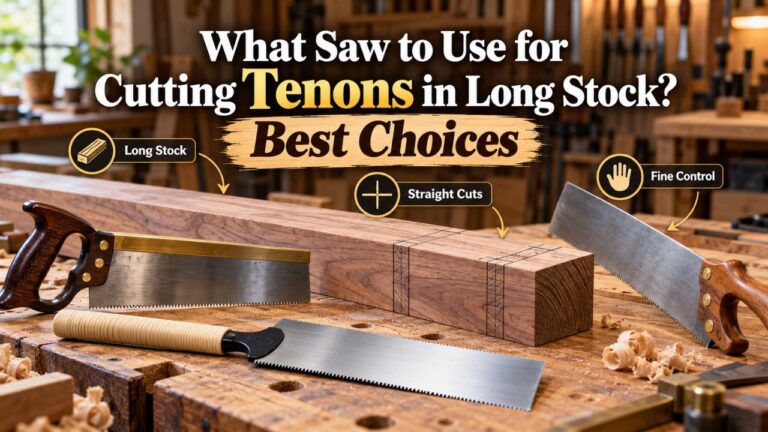
    What Saw to Use for Cutting Tenons in Long Stock? Best Choices

    ByDaniel Carter — Saw & Cutting Tools Expert October 18, 2026

    If you are deciding what saw to use for cutting tenons in long stock, a 12- to 16-inch rip-filed tenon saw is usually the best hand-saw choice for cutting the tenon cheeks. Its long plate, stiff back, and rip-oriented teeth make it efficient for cutting along the grain while giving you enough control for accurate…

    Read More What Saw to Use for Cutting Tenons in Long Stock? Best ChoicesContinue

  • Can a Tenon Saw Cut Metal? What It Can and Cannot Cut
    Drywall Saw

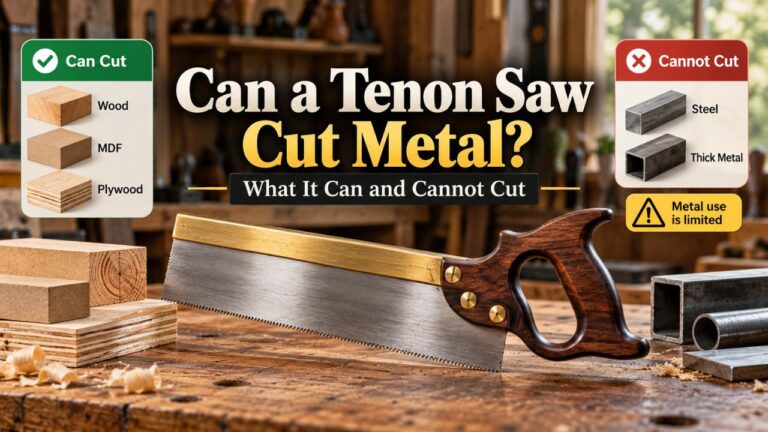
    Can a Tenon Saw Cut Metal? What It Can and Cannot Cut

    ByDaniel Carter — Saw & Cutting Tools Expert October 18, 2026

    Can a tenon saw cut metal? Technically, its teeth may scratch or even slowly cut very thin, soft metal, but a standard tenon saw should not be used for cutting metal. Tenon saws are designed primarily for precise woodworking, with tooth geometry, tooth set, blade construction, and sharpening optimized for cutting wood rather than steel,…

    Read More Can a Tenon Saw Cut Metal? What It Can and Cannot CutContinue

  • Why Do Tenon Saws Have a Brass Back? Purpose, Design & Benefits
    Drywall Saw

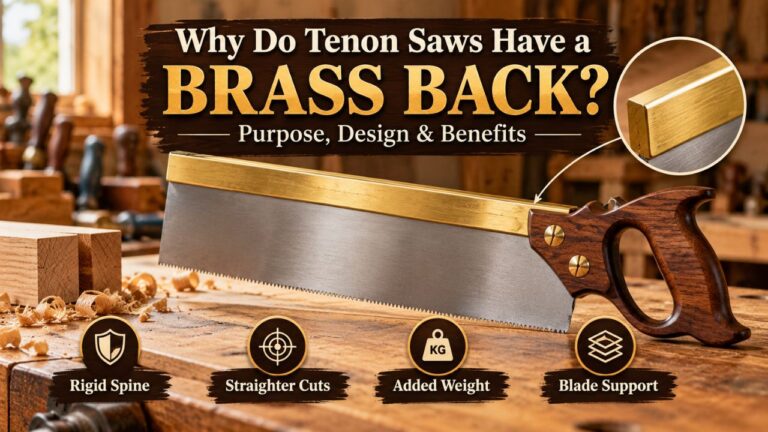
    Why Do Tenon Saws Have a Brass Back? Purpose, Design & Benefits

    ByDaniel Carter — Saw & Cutting Tools Expert October 18, 2026

    If you are wondering why do tenon saws have a brass back, the main reason is to stiffen the thin saw blade so it stays straight and controlled during precise joinery cuts. The brass spine also adds useful weight and balance, helping the saw move smoothly through the wood without requiring excessive downward pressure. Brass…

    Read More Why Do Tenon Saws Have a Brass Back? Purpose, Design & BenefitsContinue

  • Is a Tenon Saw and Back Saw the Same? Key Differences Explained
    Drywall Saw

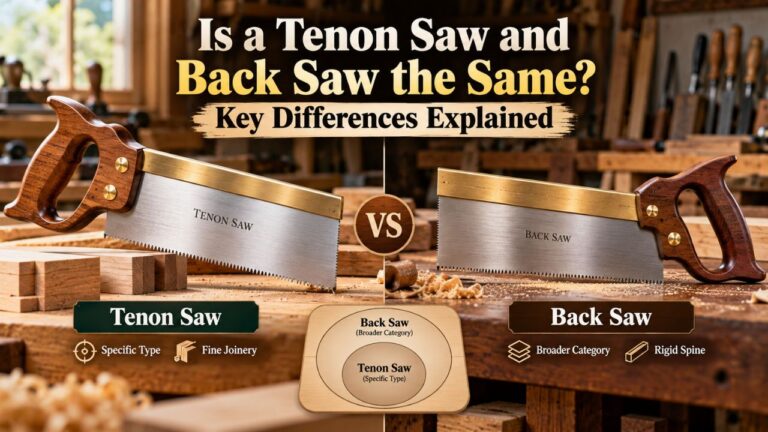
    Is a Tenon Saw and Back Saw the Same? Key Differences Explained

    ByDaniel Carter — Saw & Cutting Tools Expert October 18, 2026

    If you are wondering is a tenon saw and back saw the same, the answer is not exactly: a tenon saw is a specific type of backsaw, but “backsaw” is a broader category that also includes dovetail saws, carcass saws, sash saws, and similar precision hand saws. Both have a stiff reinforcing back along the…

    Read More Is a Tenon Saw and Back Saw the Same? Key Differences ExplainedContinue

  • Is a Tenon Saw Rip or Crosscut? Tooth Pattern Explained
    Drywall Saw

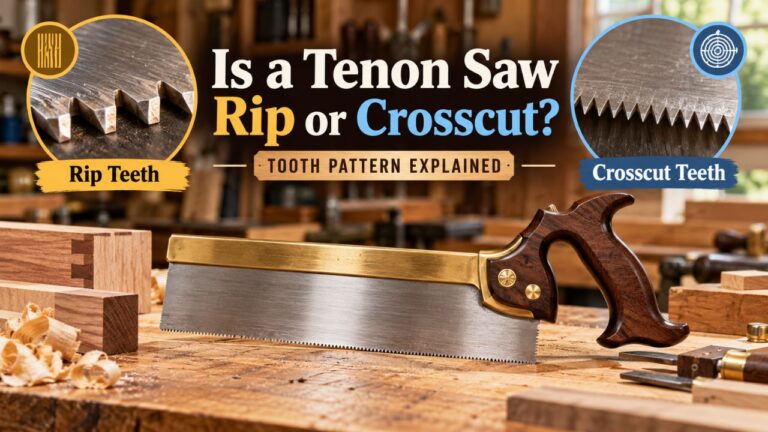
    Is a Tenon Saw Rip or Crosscut? Tooth Pattern Explained

    ByDaniel Carter — Saw & Cutting Tools Expert October 17, 2026

    If you are asking is a tenon saw rip or crosscut, the traditional answer is that a tenon saw is often filed with rip-cut teeth because one of its main jobs is cutting tenon cheeks along the grain. However, tenon saws can also be made with crosscut or general-purpose teeth, especially modern models intended for…

    Read More Is a Tenon Saw Rip or Crosscut? Tooth Pattern ExplainedContinue

  • What Size Tenon Saw Do I Need? Complete Woodworker’s Guide
    Drywall Saw

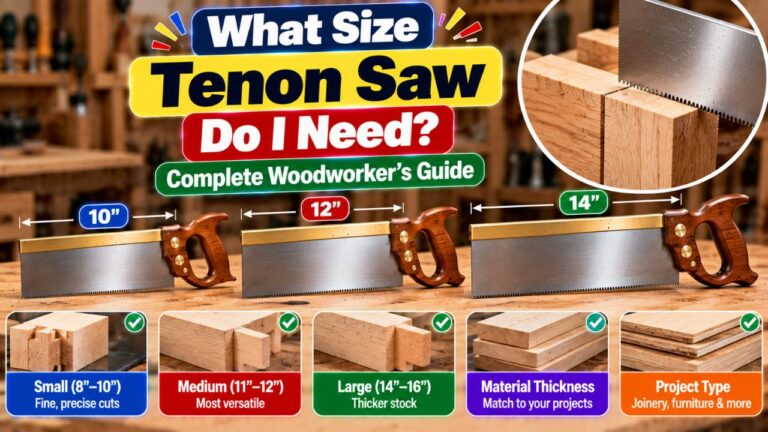
    What Size Tenon Saw Do I Need? Complete Woodworker’s Guide

    ByDaniel Carter — Saw & Cutting Tools Expert October 17, 2026

    What size tenon saw do I need? For most furniture making and general hand-tool woodworking, a 12- to 14-inch tenon saw is the most practical all-around choice, with a 14-inch saw being my preferred starting point if you want one versatile saw. Choose a smaller 10- to 12-inch saw for small joinery and a larger…

    Read More What Size Tenon Saw Do I Need? Complete Woodworker’s GuideContinue

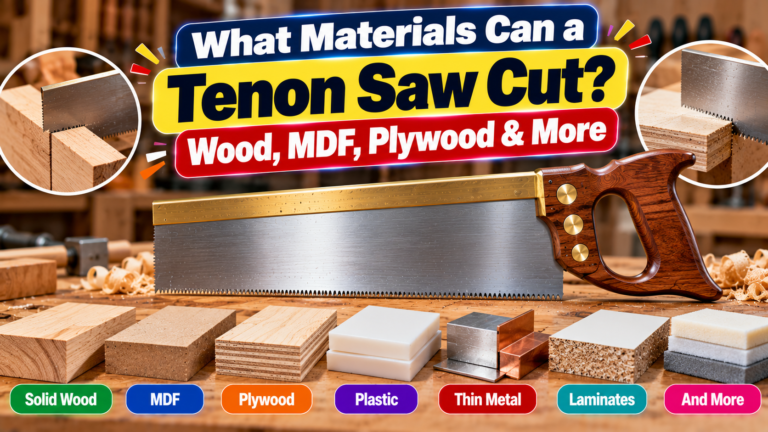
  • What Materials Can a Tenon Saw Cut? Wood, MDF, Plywood & More
    Drywall Saw

    What Materials Can a Tenon Saw Cut? Wood, MDF, Plywood & More

    ByDaniel Carter — Saw & Cutting Tools Expert October 17, 2026

    If you are wondering what materials can a tenon saw cut, the answer is primarily solid wood and wood-based materials such as softwood, hardwood, plywood, MDF, and some hardboard. A tenon saw can also cut certain thin plastics when used carefully, but it is fundamentally a woodworking saw and is not the right tool for…

    Read More What Materials Can a Tenon Saw Cut? Wood, MDF, Plywood & MoreContinue

Page navigation

Previous PagePrevious 1 … 11 12 13 14 15 … 17 Next PageNext

© 2026 Saw Guide Lab

  • Circular Saw
  • Drywall Saw
  • About Me